BMT Packing List for Singapore NS

The biggest BMT packing mistake is not forgetting one item. It is misunderstanding the mission.
You are not moving house. You are not preparing for every possible scenario. You are packing for the first stretch of military life while trying to avoid unnecessary discomfort, unnecessary trouble, and the classic recruit problem of bringing a lot but still forgetting the important stuff.
The right BMT bag is simple: documents first, daily-use basics second, comfort items that actually earn their space third.
Quick version
- Pack reporting documents first.
- Bring a small set of weekly-use comfort items that clearly earn their space.
- Stop before anxiety turns your bag into a storage problem.
What This Applies To
- Pre-enlistees and new recruits preparing for BMT book-in.
- People who want the shortest practical answer on what earns space in the bag.
- Anyone trying to avoid overpacking while still covering the first week properly.
Step-by-step explanation
- Must Bring
- Worth Bringing
- Leave It
Bring your NRIC, reporting details or enlistment letter, any required bank or education documents, and a simple toiletries kit.
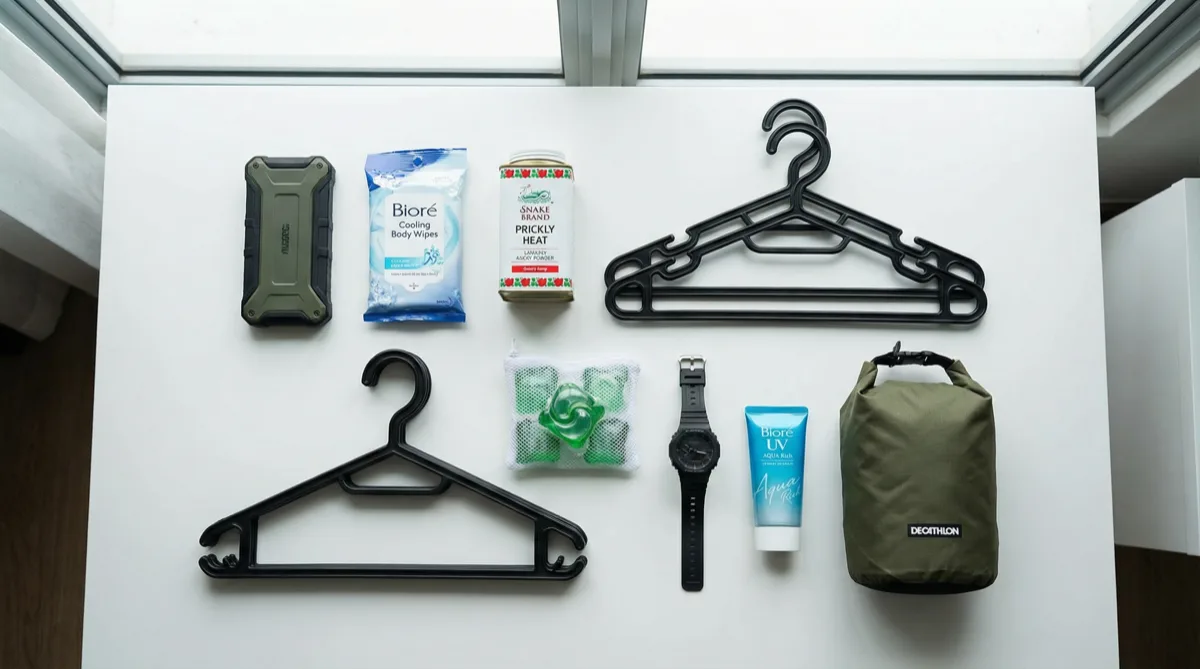
The highest-value extras are a power bank, a watch with alarm, wet wipes and tissues, extra hangers, and a compact laundry setup.
Skip bulky electronics, too many civilian clothes, undeclared medication, and random entertainment clutter that just creates locker noise.
Step 1: Do not confuse issued items with ready-to-use comfort
Yes, SAF will issue most of the major equipment you need.
But "issued" does not automatically mean "you will feel comfortable by tonight." That is why a good BMT packing list still matters.
What you are really bringing is:
- enlistment-day admin items
- personal care items you know you will use
- a few quality-of-life pieces that reduce weekly friction
That is enough. BMT gets harder when you overpack and then have to manage too much clutter in a shared space.
Step 2: Lock in the enlistment-day essentials first
These are the items you do not want to discover are missing when you are already on the way:
- NRIC: still the core identity document for reporting
- Enlistment letter or reporting details: keep the instruction accessible, not buried
- Bank account details: for allowance matters if required
- Education documents if instructed: only bring what your enlistment instructions ask for
- A small amount of cash: useful as backup for simple purchases
Put these in one easy-to-reach folder or pouch. Do not mix them into the middle of your clothing.
Step 3: Bring comfort items that solve real problems
This is where most recruits either underpack or buy nonsense.
The best comfort items are the ones that repeatedly make camp life less irritating:
- Power bank: one of the highest-value items you can bring
- Watch with alarm: simple, durable, and useful from day one
- Wet wipes and tissues: useful in more situations than you think
- Extra hangers: helps with drying and locker organisation
- Laundry detergent pods or a compact laundry solution: less messy than improvising later
- Prickly heat powder or similar heat-rash support: high-value in humid conditions
If you are choosing between two optional items, pick the one you will use weekly, not the one that sounds clever in theory.
Labeling your items early saves a lot of unnecessary friction once everyone starts living out of similar gear.
Step 4: Toiletries should be boring, complete, and easy to grab
Do not build a complicated grooming setup. Just make sure you have a clean personal-care kit that works.
Useful basics:
- toothbrush and toothpaste
- shampoo and body wash
- facial wash if you normally use it
- shaver and shaving items if needed
- sunscreen for outdoor activity
- lip balm if you dry out easily
The ideal toiletries kit is not impressive. It is complete enough that you never have to think about it.
Step 5: Pack one small "first week sanity kit"
This is the part many new recruits wish someone told them earlier.
Instead of treating every optional item separately, think in one small kit:
- power bank and cable
- watch
- tissues
- wet wipes
- one or two comfort items that reliably help you
That gives you a predictable core setup even before you fully understand your platoon's rhythm.
Step 6: What to leave at home
Overpacking usually comes from anxiety, not usefulness.
Things that are often not worth bringing or may create unnecessary issues:
- bulky electronics you do not clearly need
- too many civilian clothes
- random entertainment items that just take up space
- undeclared medication or anything you are not prepared to account for
If you have a legitimate medical need, handle it properly through the correct declaration route instead of quietly stuffing it into your bag and hoping nobody asks.
If a specific item is not clearly allowed and you do not truly need it, the safer play is usually to leave it out for the first book-in and reassess later.
Step 7: Pack for access, not just for volume
A smart bag is organised in layers.
Top layer:
- documents
- wallet
- phone charger
- anything you may need quickly on reporting day
Middle layer:
- toiletries
- comfort kit
- spare basics
Bottom layer:
- less urgent clothing or backup items
This matters because the first day is already overwhelming enough without digging blindly through one giant pile.
The most common BMT packing mistakes
- bringing too many "just in case" items
- forgetting documents because they were packed last-minute
- not packing any useful comfort items at all
- assuming you can buy or borrow everything later
- treating bag space like it is unlimited
The goal is not to have the fullest bag. The goal is to have the least annoying first week.
A simple BMT packing framework
If you want the short version, pack in this order:
- reporting documents
- personal care basics
- weekly-use comfort items
- stop before the bag turns into a storage problem
That is the version that works for most recruits.
Related Reads
- NSF Start Here
- Field Camp: The Stuff Nobody Explains Properly Before You Go Outfield
- The First Book-Out Reality Check: 9 Things New Recruits Wish They Knew Earlier
Official References
Next useful page
Move from the bag checklist into the next BMT route
Who this helps
Recruits who have the packing basics sorted and now need the first-day or first-week guidance around them.
What this solves
Once the bag is mostly settled, the next useful move is usually the enlistment-day guide, the confinement and first-book-out guide, or the wider NSF hub.
Best next clicks
Related tools
Turn BMT reading into the next practical check
BMT and pre-enlistment pages should move readers into a dated timeline, then health or IPPT checks only when those signals affect the next decision.